





















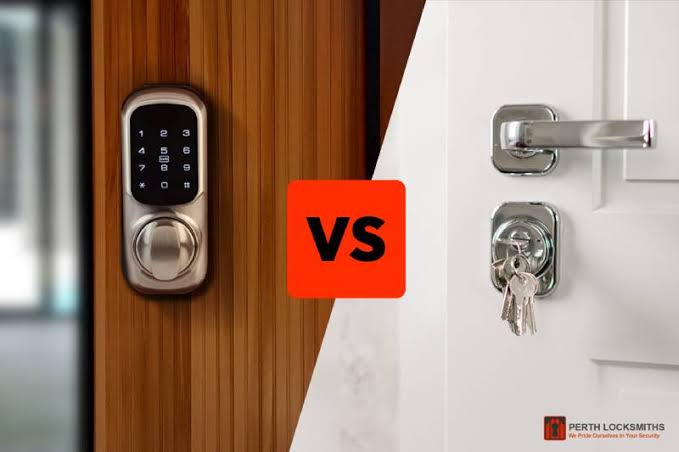
Picking the right door lock is the first step towards ensuring home security. For generations, traditional locks have helped keep homes and belongings safe, and they remain popular today. However, digital locks are becoming popular in many homes as they combine security with convenience and modern features.
In this blog, we compare digital and traditional locks and explain why digital locks are becoming a favourite for home security.
Digital Locks vs Traditional Locks: Key Security Differences
| Feature | Traditional Locks | Digital Locks |
| Access Method | Physical key | Multiple access options |
| User Management | Limited control | Admin, user, and guest access |
| Visitor Access | Key sharing required | Temporary access options |
| Monitoring | No activity tracking | Audit trails and alerts |
| Security Features | Basic locking | Multiple security layers |
Why Digital Locks are Becoming a Smarter Security Choice
Multiple Access Options for Greater Flexibility
People want more convenience from their locks today. Digital locks can be opened using methods such as fingerprints, PIN codes, RFID cards, facial recognition, palm veins and other biometric authentication options. This allows homeowners to access their homes using any preferred method.
It also means you do not always need keys. Family members can access the home using authorised credentials, making everyday entry and exit quicker, more convenient, and easier to manage.
Better Security Features
Security today is about more than just locking the door. Traditional locks rely on a physical key, but digital locks come with additional features that can help improve home and office security.
For example, some digital locks include loitering detection, intrusion alarms, door-open alerts, and dual-battery systems. These features can notify you of unusual activity and help ensure the lock continues to function even if one battery runs low.
Some models also offer dual verification, where users need to complete two steps before the lock opens. This could involve entering a PIN code and then verifying with a fingerprint. Such features provide an extra level of protection and make it more difficult for unauthorised users to gain access.
Temporary Access for Visitors and Service Workers
Managing guests with traditional keys can be difficult. Digital locks make it easier by allowing temporary entry.
You can create special access for visitors, maintenance workers, or house staff without giving them a permanent key. Some locks even let you set time limits, so access is only valid for a certain period. As a result, your home is both safe and convenient.
Real-Time Alerts and Activity Tracking
Many digital locks can record who enters and when. Some locks even send alerts if someone tries to tamper with them or leaves the door open.
As a result, you gain better awareness of what’s happening at your door. This helps you stay informed and makes your home security more active and effective.
Remote Access and Smart Connectivity
You can easily connect smart locks to your phone or other devices, allowing you to manage them from anywhere.
You can change who can enter, view activity logs, or check whether the door is open; all remotely. Some models also let you see who’s outside or talk to visitors through your lock’s camera, making security simple even if you are not at home.
Conclusion
Traditional and digital locks both play an important role in home security. While traditional locks offer basic protection, digital locks offer an additional layer of security with features such as multiple access methods, activity monitoring, visitor management, and smart home integration.
For homeowners seeking greater control and flexibility, digital locks can be a practical upgrade. Reputable brands such as Häfele offer a range of digital locking solutions designed to enhance security while making everyday access more convenient.