














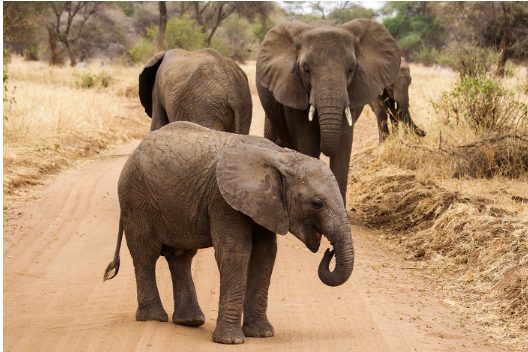





When travel enthusiasts think about a Tanzania Safari, he first thing that comes to mind is usually the animals. Lions are taking a break in the heat. Elephants walking in a group. Giraffes walk slowly through the grass. These visuals are striking, but they also mask a very real fact. None of those moments reaches the traveller on their own.
There are individuals behind every smooth game drive, every warm dinner, every quiet tent put down, and every early morning start. Dozens of them. Sometimes hundreds. Some you will meet. You will never see many of them. Yet their effort shapes the overall experience.
This blog is all about the human side of life on safari. It looks at the guides, the camp workers, the mechanics, the planners, and the community members who support the rhythm of Safari Tours Tanzania. It shows how much of the enchantment comes from people working hard and taking pride in their work, which has been passed down through the years.
The Guide Who Becomes the Centre of Your Journey

If there is one role that defines the spirit of a Tanzania Safari Tour, it is the professional guide. Guests often speak of them long after the trip ends. These guides have a unique combination of calm confidence, deep ecological knowledge, patience, and a natural ability to read the bush.
They know the territories and the animal rhythms. They understand how wind direction affects sightings. They can explain why elephants patrol certain routes or why lions shift their behaviour as seasons change. A good guide makes the landscape feel alive.
Guides influence every part of the experience because they are responsible for:
- Safety during game drives
- Wildlife interpretation and storytelling
- Route planning based on weather and animal patterns
- Communication with rangers and local communities
- Vehicle care and field maintenance
Their work stretches far beyond what travellers see. Before first light, a guide is already awake, checking the vehicle, assessing conditions, and preparing for the day. Long after guests return to camp, the guide is still evaluating tomorrow’s plan.
This personal dedication is one of the reasons why Safari in Tanzania feels immersive and secure.
The Camp Staff Who Turn Remote Wilderness into a Welcoming Home
Lodges and tented camps across popular Tanzania Safari Destinations are more organised than most people expect. These spaces feel warm and comfortable because camp staff work quietly behind the scenes.
Think of the cooks who wake before dawn to prepare breakfast. Think of the housekeeping teams who clean dusty shoes and make up rooms while you are out exploring. Think of the waiters who learn your tea preferences without being asked.
A typical safari camp workforce includes:
- Chefs and assistant chefs
- Housekeepers and laundry teams
- Waiters and bar attendants
- Groundskeepers
- Fire attendants for evening warmth
- Guest relations teams who manage schedules and special needs
Their work is done in remote regions where supplies arrive by road, water shortages are real, and wildlife sometimes passes through camp at night. Yet the experience remains smooth because the teams know how to work together and how to care for guests with a genuine sense of hospitality.
The Back-End Crew That Most Travellers Never See

Every safari depends on a long chain of people located far from the savanna. These individuals keep the logistics strong and the safari experience dependable. Without them, even the Best Safari Tours In Tanzania would struggle to run smoothly.
This hidden network includes:
- Operations managers who coordinate routes and timings
- Procurement teams handling food, maintenance items, and fuel
- Vehicle mechanics who keep the fleet reliable
- Office teams who confirm park permits
- Reservation teams who balance seasonal demand
- Support drivers who move equipment between lodges
- Community liaisons who maintain relationships with local villages
They work in the background, solving problems the guest never needs to hear about. If a component breaks in a camp kitchen, someone in town finds a replacement. If heavy rain blocks a planned route, the operations team finds an alternative. This connectivity and discipline are what keep Tanzania Safari Tours consistent every month of the year.
The Rangers and Conservation Teams Protecting the Wilderness
A discussion about the safari workforce would be incomplete without mentioning the rangers and ecological teams. Their work is slow, methodical, and essential. They protect wildlife from threats, monitor behaviour patterns, and track seasonal changes that influence the Tanzania Safari Experience.
Their daily responsibilities include:
- Anti-poaching patrols across large protected areas
- Collecting ecological data
- Monitoring predator movements
- Supporting research projects
- Protecting water sources during dry seasons
- Coordinating with local communities about human-wildlife conflict
They work long hours with minimal recognition, but without their consistency, the landscapes would not hold the diversity that makes Tanzania Vacation Packages so rewarding.
Local Communities Who Keep the Safari Economy Alive
Safaris in Tanzania are deeply connected to the communities that live around the parks. Farmers supply fresh produce. Craftsmen create items used in lodges. Teachers in nearby villages influence the next generation of conservationists.
Tourists often see the front line of safari service, but the wider ecosystem includes hundreds of people working across different skill sets.
Local communities contribute through:
- Agriculture and food supply
- Art, crafts and cultural experiences
- Labour for construction and maintenance
- Community projects that support schools and clinics
- Training institutes that prepare young people for safari careers
This connection creates a sense of shared responsibility and helps maintain the balance between tourism and nature.
Why This Human Workforce Matters
The people who make a Tanzania Safari possible add depth to every moment. They create the atmosphere guests remember even more vividly than wildlife sightings. They make remote destinations feel welcoming. They keep the experience organised, safe, and meaningful.
Travellers often arrive expecting animals and landscapes and leave with an appreciation for the human effort that makes all of it accessible.
Plan Your Safari with Best Day Safaris
If you want a safari run by people who value this human workforce and understand the heart behind every detail, choose Best Day Safaris. Their private journeys highlight not only the beauty of the wilderness but also the people who bring every moment to life.