













Australia is home to an array of insects, and while most encounters are harmless, bug bites can be uncomfortable, irritating, and sometimes concerning. Identifying the type of bite is the first step in knowing how to treat it effectively. While remedies such as using Epsom salt for bug bites can help soothe irritation, understanding what caused the reaction ensures you can manage it properly and seek medical attention if necessary.
Below, we outline the most common types of bug bites, their distinguishing features, and tips for managing them.
Mosquito Bites
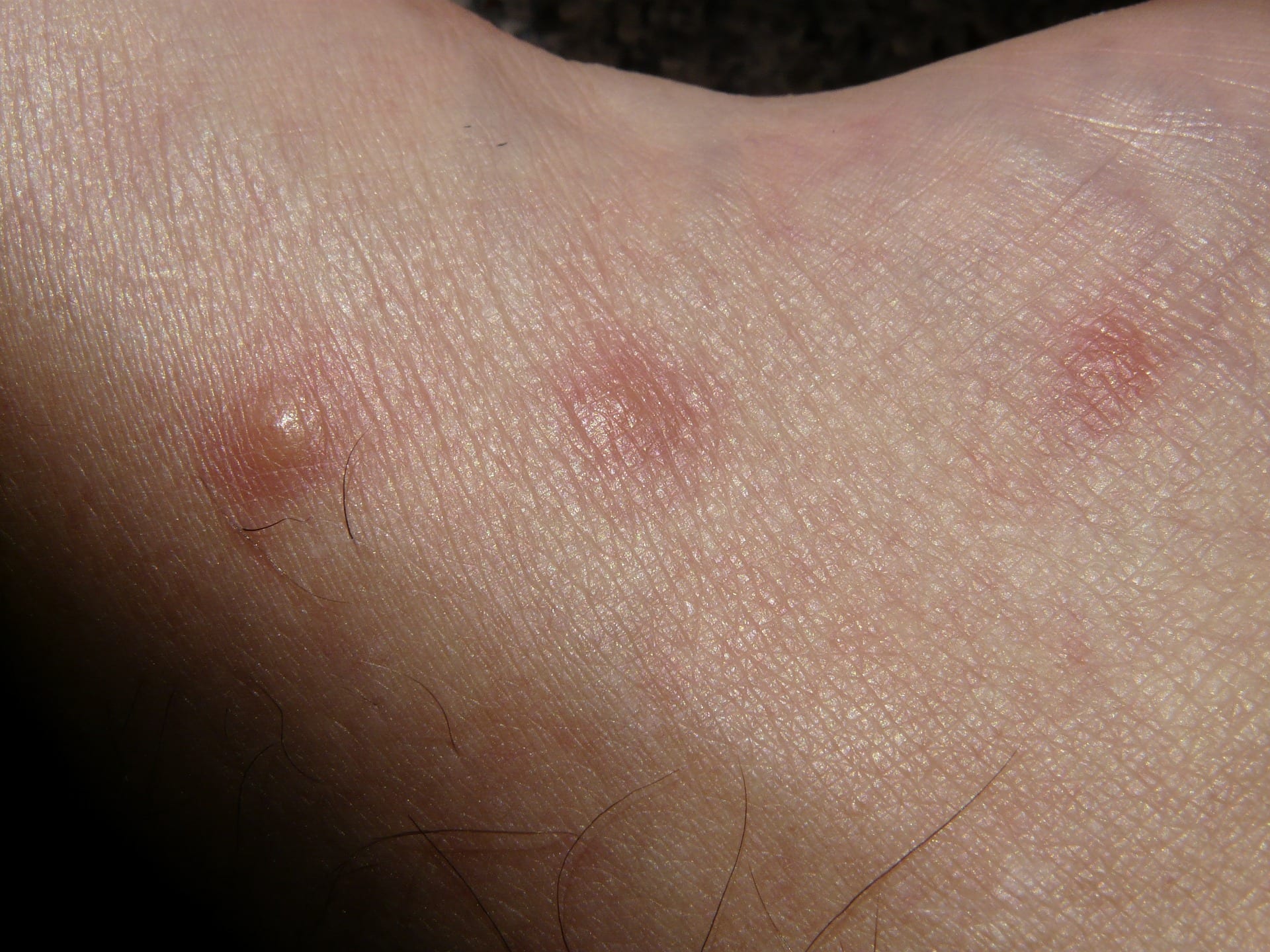
Mosquito bites are one of the most common in Australia, especially in warmer months. They typically appear as small, raised, red bumps that are incredibly itchy. In some cases, individuals may experience swelling or a burning sensation. The irritation is caused by the mosquito’s saliva, which the body reacts to as a foreign substance.
How to identify:
– Small, round, puffy bumps
– Often clustered in exposed areas such as arms, legs, or ankles
– Itchy, with occasional mild burning
Flea Bites
Flea bites are often associated with pets but can affect humans as well. These bites are usually found on the lower legs and feet, appearing as tiny red spots surrounded by a halo of redness. Flea bites are itchy and often occur in groups or lines.
How to identify:
– Small red spots with a red halo
– Frequently clustered in groups
– Found around ankles and lower legs
Bed Bug Bites
Bed bugs are nocturnal and feed on blood while people sleep. Their bites may not always be immediately noticeable, but they often develop into small, itchy red welts hours later. Bed bug bites are commonly arranged in lines or clusters along areas of skin exposed at night.
How to identify:
– Small, raised red welts
– Often in a line or cluster
– Itchiness that may increase overnight
Spider Bites
While most spiders in Australia are harmless, some species can cause painful or serious reactions. Spider bites vary greatly depending on the species. Common symptoms include redness, swelling, and pain at the site. In rare cases, nausea, sweating, or more severe symptoms may occur, requiring immediate medical attention.
How to identify:
– Localised redness and swelling
– Pain or tenderness at the site
– Potential blistering or ulceration (in more serious bites)
Tick Bites
Ticks are found in bushland areas and can remain attached to the skin for long periods. Their bites are often painless initially but can lead to redness, swelling, and itching. Ticks can also carry diseases, so safe removal and monitoring are essential.
How to identify:
– Small, firm, red lump at the site
– Sometimes the tick remains attached
– Itchiness or irritation, with potential flu-like symptoms in rare cases
Ant Bites
Some ants, such as bull ants, deliver painful bites or stings. The reaction can range from minor swelling and redness to significant pain and blistering. Allergic reactions to ant stings can also occur in some individuals.
How to identify:
– Sharp pain at the moment of the bite or sting
– Redness and swelling at the site
– Possible blistering in more severe cases
When to Seek Medical Help
While most bug bites are harmless and heal on their own, you should seek medical attention if you experience:
– Severe swelling or spreading redness
– Signs of infection (pus, warmth, or increasing pain)
– Difficulty breathing, dizziness, or other allergic reaction symptoms
– A bite from a spider or tick you cannot identify
Final Thoughts
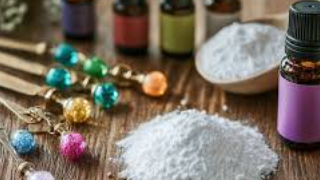
Bug bites are a common annoyance, but knowing how to identify them can help you respond appropriately. Simple remedies like using cold compresses, over-the-counter creams, or natural solutions like Epsom salt can provide relief from irritation. By recognising the signs early, you can ensure bites are treated properly and avoid unnecessary complications.